
Best Laundry Options for Families That Save Time
- Ryan Zaffarano
- Jul 29
- 5 min read

A family laundry pile rarely grows because someone forgot one shirt. It grows because the week happens: school uniforms need to be ready, towels multiply, a toddler has an accident, and everyone needs clean clothes at the same time. The best laundry options for families are the ones that match the size of the load, the time you actually have, and the level of help you need that week.
For some households, a reliable at-home routine is enough. For others, large-capacity self-service machines or wash-dry-fold service make far more sense. The right choice is not always the lowest cost per load. It is the option that keeps clean clothes moving without taking over your evenings or weekend.
Start With Your Family's Real Laundry Volume
Before choosing a laundry routine, look at what is really going into the baskets. A family of four may produce several loads of everyday clothing each week, plus bedding, bath towels, sports gear, work clothes, and items that need extra attention. If your home machine handles only small loads, laundry can turn into a daily cycle of sorting, washing, drying, and folding.
A larger household machine can work well when you have enough capacity, time, and a place to dry and fold comfortably. The trade-off is that one missed laundry day can leave you facing a long catch-up session. Home laundry also becomes less convenient when a washer is unreliable, drying takes too long, or family members share a limited machine.
Renters and apartment residents often have a different calculation. A shared laundry room may mean waiting for machines, carrying detergent and baskets through the building, or working around limited hours. In that situation, having another dependable option nearby is not a luxury. It is a way to keep the household routine on track.
Best Laundry Options for Families, Compared
At-home laundry for smaller, steady loads
At-home laundry is practical when your washer and dryer are in good condition and your family can keep up with smaller, frequent loads. It gives you control over when things are washed and makes it easy to handle a last-minute uniform or favorite blanket.
The downside is capacity. Bulky comforters, multiple sets of sheets, and a week's worth of clothing can take all day in a standard machine. Energy costs, detergent purchases, repairs, and the time spent transferring and folding loads are part of the total cost, even if they do not show up on a receipt each laundry day.
A simple home system helps: sort hampers by color or person, set aside a consistent wash day, and deal with stains before they sit. But if the system repeatedly falls behind, the issue may be capacity rather than organization.
Self-service laundromat for speed and big loads
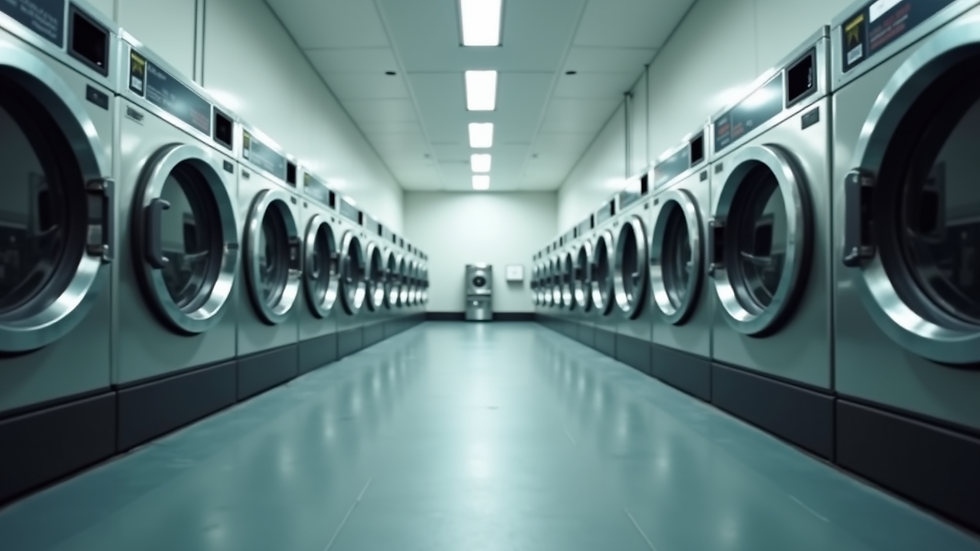
A modern self-service laundromat is often the best middle ground for families who want to handle their own laundry but need to finish faster. Larger machines can hold more clothing, towels, or bedding at once, allowing you to consolidate several home-sized loads into fewer cycles.
This option is especially useful after vacations, during back-to-school season, when a home appliance breaks, or when it is time to wash comforters and other oversized items. Instead of running a washer all day, you can wash more at one time and use multiple dryers to get everything ready to fold.
The best self-service experience should reduce the usual friction. Look for clean machines, enough capacity for family loads, flexible ways to pay, and automatic soap injection when available. Automatic dosing means you do not have to guess how much detergent to bring or worry about using too much. It also saves one more item from the already-full laundry bag.
Sanitation matters, too. Children bring home more than homework, especially during cold and flu season or after sports practice. Laundry systems that use ozone sanitization can add reassurance for towels, uniforms, bedding, and everyday clothes while still supporting fabric care.
Wash-dry-fold service for overloaded weeks
Full-service wash-dry-fold is the strongest option when time is the real problem. You drop off the laundry, and someone else handles washing, drying, and folding. For working parents, caregivers, families with newborns, or anyone dealing with a packed schedule, this can turn a multi-hour task into a short errand.
It is also useful as an occasional reset. You do not need to outsource every load forever for the service to be worthwhile. Some families use wash-dry-fold after travel, during a move, after illness, or when several weeks of laundry have piled up. Others use it regularly for towels, bedding, and family basics while handling delicate items at home.
The trade-off is that full service costs more than doing the work yourself. What you gain is time, less clutter, and the ability to get clean laundry back into drawers rather than leaving it in baskets for days. A 24-hour turnaround can be particularly helpful when your family needs a predictable rhythm instead of another unfinished chore.
A hybrid routine for the most flexibility
Many families do best with a mix of options. Handle urgent items at home, visit a self-service laundromat for oversized loads, and use wash-dry-fold when the calendar gets crowded. This approach prevents laundry from becoming an all-or-nothing decision.
For example, you might wash a few school clothes at home during the week, then bring towels, sheets, and several baskets of clothing to a laundromat on Saturday. During a demanding work week, drop off the family laundry and use the recovered time for errands, rest, or a meal together. Flexibility is valuable because family schedules are not the same every week.
What Families Should Look for Beyond Price
The cheapest wash is not automatically the best value. A low-cost machine that takes too long to dry, does not fit a large load, or requires multiple return trips can cost more in time and frustration. When comparing laundry options, consider capacity, machine condition, drying speed, cleanliness, payment choices, and how long the whole process takes from hamper to drawer.
Convenience features matter more than they may seem. Card and mobile app payments can be helpful when you do not carry coins. Plenty of folding space makes it easier to leave with finished laundry rather than wrinkled piles. A clean, well-maintained environment gives families more confidence when washing bedding, baby clothes, and items that need a higher standard of care.
It also helps to think about your household's bottleneck. If washing is slow, use larger-capacity machines. If drying is the problem, choose a location with efficient dryers. If folding is what leaves clean clothes sitting around for three days, wash-dry-fold service may be the better answer. The best solution addresses the step that is actually holding your family up.
Make Laundry Day Easier Before You Leave Home
A few practical habits make any laundry option work better. Keep a separate hamper for towels and bedding so bulky items do not surprise you at the end of the week. Empty pockets before clothes go into the basket, and place stain-prone items where they will be noticed before washing. If you use self-service machines, sort at home when possible so you spend less time managing piles on-site.
For families using a drop-off service, communicate any special care needs clearly. Separate items that should not be dried on high heat, point out stains, and avoid sending in anything with loose objects in the pockets. This helps protect clothing and makes the service more efficient.
At Rivercity Spin in Elgin, families can choose between self-service laundry for hands-on control and wash-dry-fold service when they need the whole job handled. Modern machines, automatic soap injection, ozone sanitization, and flexible payment options are designed to make a necessary chore faster and easier to manage.
The goal is not to build a perfect laundry routine that never changes. It is to have a dependable option ready when your family needs clean clothes, clean bedding, and a little more room in the week.

Comments