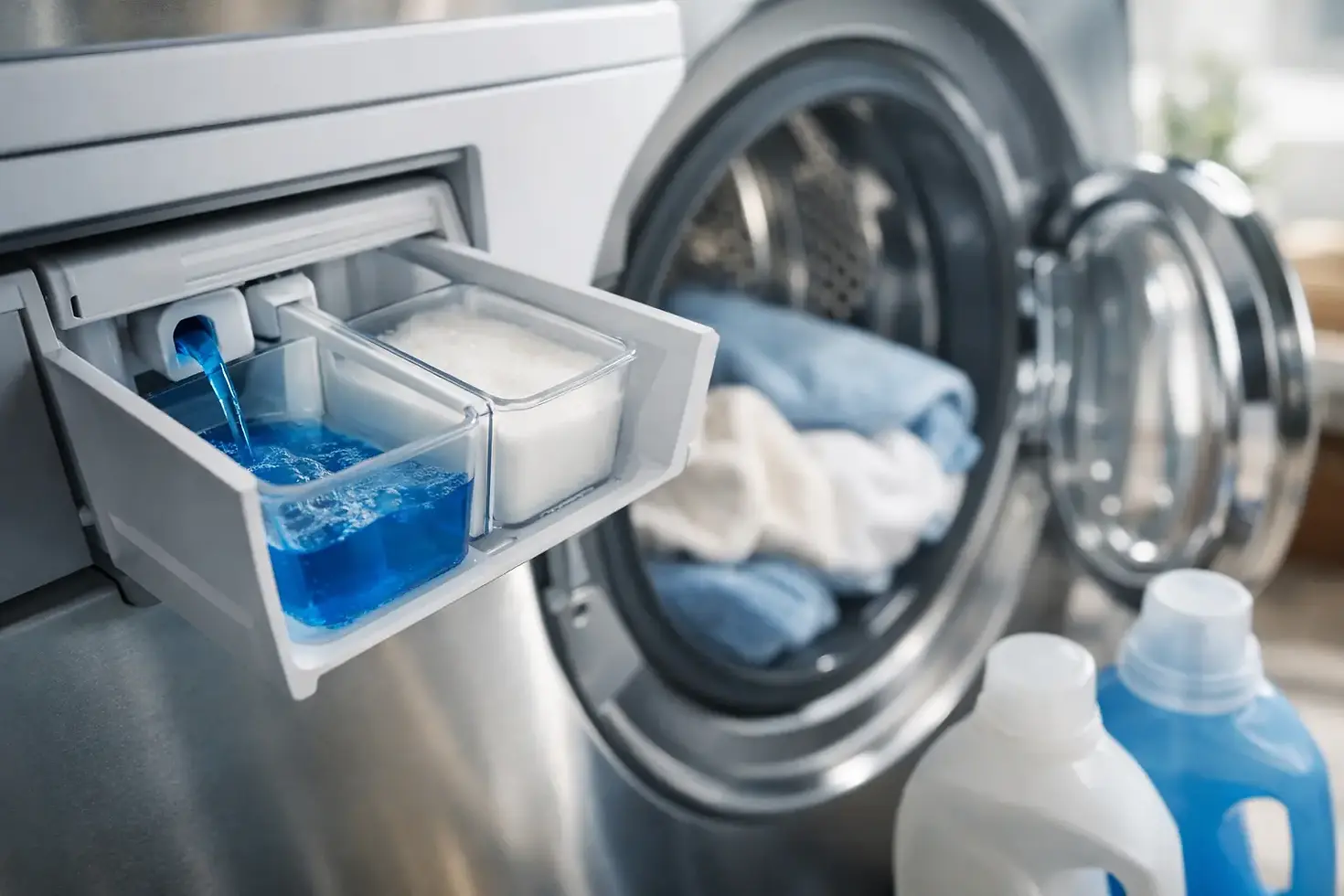
How Automatic Detergent Injection Works in Washers
- Ryan Zaffarano
- Aug 2
- 5 min read

A detergent bottle seems small until you are carrying it through a parking lot, measuring a capful over a washer, and hoping you did not pour too much. Automatic detergent injection removes that part of laundry day. The system stores detergent inside the machine or a connected dispenser, measures the right amount for the load, and adds it at the right point in the wash.
For customers who want laundry to be faster and easier, it is a practical upgrade. You do not need to bring detergent, guess at the amount, or deal with sticky spills around the dispenser drawer. You choose your wash settings, start the machine, and let the equipment handle the dosing.
How Automatic Detergent Injection Works
Automatic detergent injection starts with a supply of commercial detergent held in a reservoir. Depending on the washer setup, that reservoir may be built into the machine, connected to it from behind, or supplied through a central dispensing system that serves several washers.
When a customer selects a wash cycle, the machine sends a signal to the dispensing system. A small pump then pulls a measured amount of detergent from the reservoir and sends it through tubing into the washer. Water carries the detergent into the drum, where it mixes with the wash water and reaches the clothing.
The exact timing depends on the machine and cycle. Most systems add detergent near the beginning of the main wash, when it can do the most work lifting soil, body oils, and everyday stains from fabric. Some commercial washers can also dose other products, such as fabric softener or a booster, at their proper stages of the cycle.
The customer sees a simple process. Behind the scenes, the washer is following programmed instructions based on the selected cycle, the equipment's capacity, and the laundry products used in that location.
It is measured, not guessed
The main advantage is controlled dosing. Too little detergent may leave a load looking dull or smelling less fresh. Too much can create excess suds, leave residue behind, and make rinsing harder. That residue can make towels feel stiff, irritate sensitive skin for some people, or leave dark clothes looking streaky.
An automatic system uses a set dose designed for the washer and detergent. That does not mean every load always receives the same amount. Some equipment adjusts the dose according to the chosen program, such as a standard wash, heavy-duty cycle, or larger-capacity load. The point is consistency: each load receives the intended amount without relying on a hurried estimate from a detergent cap.
Why Correct Detergent Dosing Matters
Modern high-efficiency washers use less water than older machines. That saves water, but it also means detergent must be used carefully. A large pour that might have disappeared in an older, water-heavy washer can create too many suds in a high-efficiency machine.
Excess suds do not always mean cleaner clothes. In fact, too much foam can keep laundry from moving through the water as effectively and may prevent the washer from rinsing as thoroughly. The result can be residue, trapped odors, or a load that needs another rinse.
Automatic injection helps avoid that problem by pairing the detergent amount with the machine's wash process. It supports a reliable clean while using only the product needed for the cycle. For busy families, renters, and anyone doing several loads at once, that consistency takes one more decision off the list.
There is also a fabric-care benefit. Repeated overuse of detergent can build up in fibers over time, particularly in absorbent items like towels, workout clothes, and bedding. Properly rinsed laundry tends to feel better and hold onto less product after the cycle ends.
What Happens After You Start the Washer
At a modern laundromat, the customer experience is designed to be straightforward. Load the washer without packing it too tightly, choose the cycle that matches the items you are washing, pay using the available option, and start the machine. If detergent injection is included with that washer, there is no need to add your own detergent unless the location gives different instructions.
The system delivers detergent during the cycle, then the washer continues through its wash, drain, rinse, and spin stages. The rinse steps are just as important as the detergent step. Cleaning is not only about getting soap onto the clothes. It is also about removing loosened soil and remaining detergent before the laundry heads to the dryer.
At Rivercity Spin, automatic soap injection is part of making self-service laundry less of a chore. It gives customers one less item to buy, carry, measure, and clean up after while still supporting a thorough wash.
Detergent injection and ozone do different jobs
Automatic detergent injection and ozone sanitization can work well in the same laundry environment, but they are not the same thing. Detergent is designed to help remove soil and oils from fabric during washing. Ozone technology is used to support sanitation and odor control as part of the wash process.
Neither feature replaces sensible laundry habits. Heavily soiled clothing may need a longer or heavier cycle. Delicate fabrics may need a gentler setting. Items with special care labels should always be washed according to those instructions. The right technology helps, but cycle selection and proper sorting still matter.
When You May Need a Different Approach
Automatic injection is convenient for most everyday loads, including clothing, towels, sheets, and typical family laundry. Still, there are a few situations where it depends on the item and the stain.
For a fresh food, grease, ink, or grass stain, pretreating the spot before washing can improve the result. Detergent injected into the wash water cleans the full load, but it cannot always replace direct stain treatment on a set-in mark. Avoid putting a stained item in the dryer until you know the stain is gone, since heat can make it harder to remove.
Some people also have a medical reason or strong personal preference for a particular fragrance-free detergent. If that applies to you, check the laundromat's posted guidance before starting a machine with automatic dispensing. Commercial systems are calibrated around the products they carry, and adding extra detergent without guidance can interfere with the wash and rinse balance.
Bulky items deserve attention too. Comforters, pet bedding, and large blankets need room to move. Choosing the right-size washer is often more important than adding more detergent. A larger machine gives water, detergent, and fabric enough space to circulate properly.
The Convenience Is More Than a Detergent Bottle
The biggest benefit of automatic injection is not just that it adds soap for you. It makes the whole laundry trip more predictable. You can arrive with your laundry, select a machine, and get started without realizing halfway through that the detergent is still at home.
It also keeps the laundry area cleaner. Open bottles, torn pods, powder spills, and overfilled dispenser trays create mess and waste. A professionally maintained injection system keeps the detergent supply contained and delivers it through the equipment instead of across a folding table.
For people fitting laundry between work, school, errands, and family schedules, small conveniences matter. A washer that measures detergent automatically can save only a few minutes per visit, but it also removes the extra planning and second-guessing that make laundry feel more complicated than it needs to be.
The next time you load a washer with automatic detergent injection, you can leave the measuring to the machine. Focus on choosing the right cycle, giving your clothes room to move, and getting on with the rest of your day while the wash takes care of itself.

Comments