
How Drop Off Laundry Works
- Ryan Zaffarano
- Jun 7
- 6 min read

Laundry usually turns into a bigger project than it should be. You sort it, carry it, wait on cycles, move loads over, fold everything, and still end up with a basket sitting in the car for two days. That is exactly why people ask how drop off laundry works. The short answer is simple: you bring in your dirty clothes, a laundry team washes, dries, and folds them for you, and you pick everything up clean and ready to put away.
What makes drop-off service appealing is not just convenience. It is also consistency. When a laundromat is set up for full-service care, your laundry is handled with a process designed to save time while keeping clothes clean, fresh, and organized.
How drop off laundry works from start to finish
The process usually starts with you bringing your laundry into the store in a bag, basket, or hamper. At check-in, a staff member takes your items, confirms any special instructions, and lets you know when your order will be ready. Some places price by the pound, while others may have separate pricing for larger household items like comforters, blankets, or specialty pieces.
Once your order is received, the laundry is sorted before washing. Colors are typically separated from whites, and heavier items may be washed apart from lighter everyday clothing. If you have preferences, like cold water for dark clothes or air-drying for a delicate item, this is the time to mention them. A good drop-off service will tell you what they can accommodate and where there may be limits.
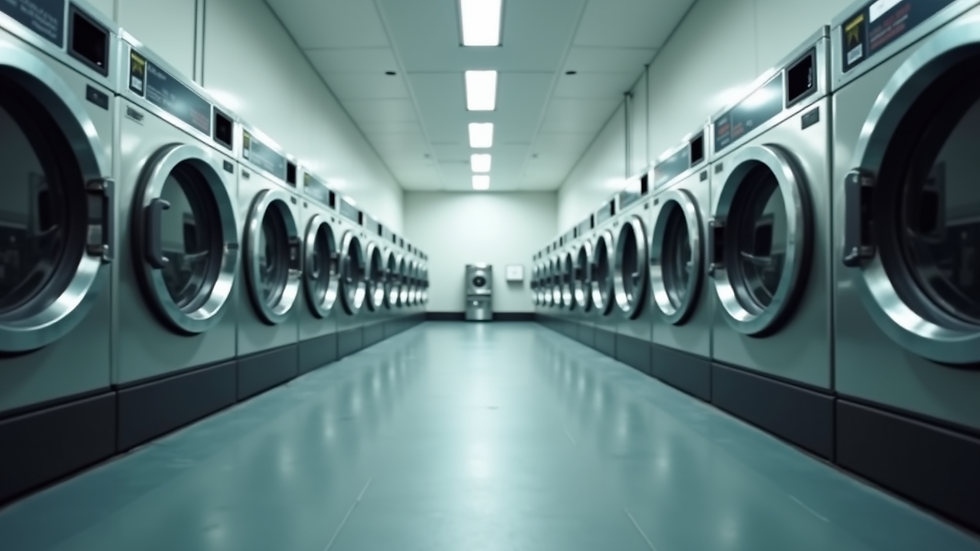
After sorting, your clothes go through the wash and dry process using commercial equipment. That matters more than most people realize. Commercial machines are built to handle loads efficiently and clean more thoroughly than many apartment or in-home machines, especially when they include features like automatic soap dosing and sanitizing technology.
After drying, everything is folded, paired, and packaged for pickup. Shirts, pants, towels, socks, and smaller items are usually grouped in a way that makes them easier to bring home and put away. When your order is ready, you return to pick it up, pay if needed, and take home laundry that is already finished.
What happens after you drop it off
A lot of people assume drop-off laundry is just self-service with someone else moving the clothes between machines. In reality, a well-run service follows a more organized workflow than that.
Your laundry is typically tagged or logged so it stays attached to your order. That helps prevent mix-ups and keeps special requests tied to the right load. From there, the team works through sorting, washing, drying, folding, and staging for pickup. If the laundromat offers faster turnaround, that usually means it has enough machine capacity and staff support to keep orders moving without long delays.
This is one of the biggest reasons people choose a professional service. You are not just paying for labor. You are paying to skip the waiting, the machine juggling, the detergent shopping, and the folding at the kitchen table later that night.
What to expect when using a drop-off service
If you have never used one before, the first visit is usually easier than expected. Bring your everyday laundry in a bag that is easy to carry. If there is anything that needs special handling, point it out right away. That could include delicate fabrics, stain concerns, or items you do not want dried on high heat.
Most standard clothing, towels, washcloths, pajamas, and basic linens are ideal for drop-off service. Bulky items may also be accepted, but they are often priced separately because they take up more machine space and may require different drying times.
Turnaround time depends on the store. Some locations offer same-day service, while others work on a 24-hour schedule. Faster is not always better if quality slips, so it helps to ask what is realistic. A dependable timeline is more useful than a rushed promise.
Payment can vary too. Some laundromats still operate mostly with cash or coin, but modern stores may also accept card or mobile app payments. That kind of flexibility matters when you are trying to make laundry fit into a packed week instead of planning your day around finding exact change.
How drop off laundry works for busy households
For families, drop-off service often becomes less of a luxury and more of a practical routine. Weekly laundry can easily turn into several hours of sorting, washing, drying, and folding, especially when school clothes, work uniforms, towels, and bedding all stack up at once.
Using a drop-off service shifts that time back to you. Instead of spending a Saturday catching up on laundry, you can spend a few minutes dropping it off and picking it up later. That difference is especially helpful for parents, shift workers, students, and renters who share laundry rooms or do not have reliable machines at home.
There is also less friction built into the process. You do not need to carry detergent, measure soap, or wait for a machine to open up. At a modern laundromat, those details are already handled through better equipment and a more efficient setup.
In Elgin, where many residents balance work, commuting, family schedules, and apartment living, that kind of convenience is not hard to appreciate.
Cleanliness, sanitization, and fabric care
People usually think about time first, but cleanliness is the other big reason to consider drop-off laundry. The quality of the wash depends on the equipment, the wash process, and how well loads are handled.
Some stores use ozone sanitization technology, which can help improve hygiene and freshen laundry during the wash cycle. That can be especially reassuring for families with kids, people washing gym clothes or workwear, or anyone who wants more confidence than a basic machine at an older laundry room can offer.
Automatic soap injection is another feature worth noticing. It helps control how much detergent goes into each load, which can lead to more consistent results and less residue on clothing. Too much detergent can be hard on fabric and leave items feeling stiff or not fully rinsed out. Too little can leave clothes less clean than they should be.
That said, not every item belongs in standard wash-dry-fold service. Garments with special care labels, dry-clean-only fabrics, heavily embellished pieces, and certain delicates may need different treatment. Drop-off laundry works best for everyday washable items. If you are unsure, ask first rather than assuming everything can go through the same cycle.
Is drop-off laundry worth it?
That depends on what you are trying to save. If your main goal is spending the least possible money, self-service washing may still be the better fit. If your goal is saving hours, reducing hassle, and getting laundry back folded and ready to use, drop-off service often makes a lot of sense.
It is also worth thinking about hidden costs. Home laundry is not free once you factor in detergent, utilities, machine wear, and your own time. Shared laundry rooms can add frustration too, especially if machines are limited, poorly maintained, or constantly in use.
For many people, the sweet spot is flexibility. You might wash some loads yourself and use drop-off service during busy weeks, after travel, during back-to-school season, or whenever laundry starts piling up faster than you can manage it. A laundromat like Rivercity Spin is built around that kind of choice - handle your laundry your way, whether you want to do it yourself or hand it off and get on with your day.
A few tips before your first drop-off order
Check pockets before you bring anything in. Separate out anything valuable or fragile. If an item has a stain, mention it, but know that stain removal is not always guaranteed. It also helps to avoid overstuffing your bag with loose hangers, trash, or non-laundry items mixed in with clothing.
If you like a certain preference, such as low heat or fragrance sensitivity, ask about it ahead of time. Some requests are easy to accommodate, while others depend on the equipment and workflow. Clear communication makes the service better for everyone.
The first time you use drop-off laundry, the biggest surprise is usually how much time it frees up. Once you stop treating laundry as a half-day task, it becomes easier to fit the rest of life around it instead of the other way around.
Sometimes the best household upgrade is not buying another gadget. It is crossing one recurring chore off your list and getting that time back every single week.

Comments