
How to Wash Clothes More Hygienically
- Ryan Zaffarano
- Jun 15
- 6 min read

That gym shirt that still smells off after a wash, the kitchen towels that seem clean but never quite fresh, the kids' school clothes that come home with who-knows-what on them - this is usually where people start asking how to wash clothes more hygienically. The good news is that cleaner laundry is not just about using more detergent or running everything on hot. It comes down to a few smart choices that improve how well soils, odors, and germs are removed without making laundry day harder than it needs to be.
What hygienic washing really means
A hygienic wash is not the same as a perfectly sterile wash. For most households, the goal is to reduce dirt, body oils, bacteria, and odor-causing residue enough that clothes, towels, and linens come out truly clean and safe for everyday use. That standard is more realistic, and it is what matters most in a busy home.
This is also where people often overcorrect. If every load gets the hottest setting possible and extra soap poured in for good measure, fabrics can wear out faster and washer buildup can get worse, not better. Hygienic laundry is really about matching the wash method to the type of item you are cleaning.
How to wash clothes more hygienically at home
Start with sorting, because hygienic results begin before the washer turns on. Everyday clothes, underwear, towels, bedding, heavily soiled workwear, and items used during illness should not all be lumped into one load. Separating them gives you more control over temperature, cycle length, and drying.
Heavily soiled items need room to move. If you overfill the machine, water and detergent cannot circulate well enough to lift grime and rinse it away. A packed washer may save one trip, but it often leaves behind exactly the residue and odor you were trying to get rid of.
Detergent matters too, but more is not always better. Using the right amount for the load size and soil level is usually more effective than adding extra. Too much soap can trap residue in fabric and inside the machine, which creates stale smells over time. Automatic soap dosing systems help with this because they remove the guesswork and keep each load consistent.
Choose the right water temperature
Temperature is one of the biggest factors in hygienic washing, but it depends on the fabric. Warm or hot water can be more effective for towels, bedding, underwear, socks, and heavily soiled items. Cold water is often fine for lightly worn everyday clothing, especially when you want to protect colors and stretch fabrics.
If someone in the household has been sick, higher temperatures can help when the care label allows it. The trade-off is that some fabrics shrink, fade, or break down faster with repeated hot washing. That is why care labels still matter, even when hygiene is the priority.
Use the full cycle when it counts
Quick wash cycles are convenient, but they are not ideal for every load. If you are washing sweat-heavy workout gear, kitchen towels, pet bedding, or anything visibly dirty, a longer cycle gives detergent and water more time to do the work. For everyday lightly worn clothes, a shorter cycle may be enough. For hygiene-sensitive items, it usually is not.
Drying is part of the cleaning process
A lot of people focus on the washer and forget that damp laundry left sitting in a basket can undo the whole job. Once a load is done, move it to the dryer promptly or hang it up right away. Lingering moisture gives odor and mildew a chance to come back fast.
Machine drying on an appropriate setting can add another layer of hygiene, especially for towels, sheets, and underwear. If you air-dry, make sure items dry fully before folding and putting them away. Anything stored slightly damp can develop that musty smell you notice the next time you open the drawer.
The most common reasons laundry does not feel truly clean
Sometimes the issue is not the clothes. It is the washer itself. Detergent residue, standing moisture, and lint can build up inside the drum, gasket, tray, and filters. When that happens, every new load picks up some of yesterday's grime.
Front-load washers in particular need regular attention around the rubber seal, where moisture can linger. Leaving the door open between loads helps the interior dry out. Running a washer cleaning cycle on schedule also makes a difference, especially in busy households.
Another common problem is mixing very dirty laundry with lightly soiled clothes. A few greasy kitchen towels or muddy pants can spread residue through the whole load. If hygiene is the goal, sort by more than color.
Items that deserve extra attention
Towels and washcloths
Towels hold moisture, body oils, and bacteria more than many people realize. They should be washed regularly, not just when they look dirty. A warm or hot cycle is usually the better choice if the care label allows it, and they need to be dried completely.
Underwear, socks, and workout clothes
These items sit closest to the body and collect sweat fast. Washing them in a mixed cold load with lightly worn outerwear may be convenient, but it is not always the most hygienic option. They usually do better with a more thorough cycle and enough airflow in the machine.
Workout clothes are a special case because synthetic fabrics trap odor. High heat can damage some performance materials, so check the label. In many cases, the better move is a quality detergent, proper load size, and immediate drying instead of just turning up the temperature.
Bedding
Sheets and pillowcases pick up sweat, skin cells, and oils every night. Regular washing helps with both hygiene and overall freshness. If someone has allergies, has been sick, or sleeps hot, bedding often needs more frequent attention than people expect.
Laundry from illness in the home
If someone is sick, wash their clothing, towels, and bedding separately when possible. Avoid shaking items, since that can spread particles into the air. Use the warmest water safe for the fabric, then dry items fully. It is also smart to clean the hamper or basket that held those items.
How to handle laundry more hygienically outside the washer
Clean laundry can pick up contamination again through handling. Dirty hampers, folding on a cluttered surface, or tossing clean clothes back into a basket that just held sweaty gym wear all work against you.
It helps to keep a simple dirty-to-clean flow. Store dirty items in one place, move them directly into the washer, and use a clean basket or surface for dried laundry. Small habits like washing your hands after handling heavily soiled loads and cleaning the laundry basket occasionally make a real difference.
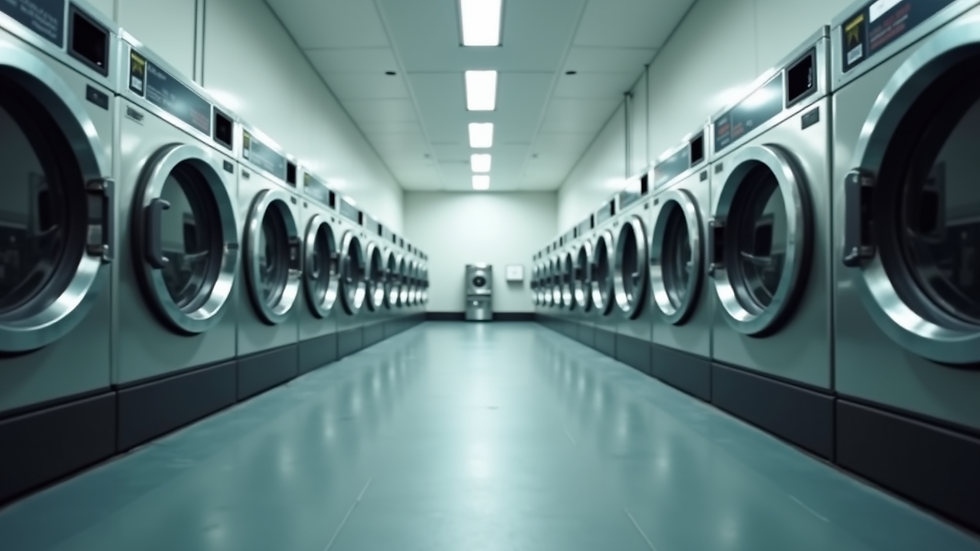
This is one reason many customers prefer a more modern laundromat setup or drop-off service when they are trying to improve hygiene. Features like ozone sanitization, well-maintained machines, and automatic soap injection can create more consistent results with less trial and error.
When convenience helps hygiene
People often think hygienic laundry has to mean more time, more products, and more effort. Usually, it means better systems. A machine that washes efficiently, a detergent amount that is measured correctly, and a dryer that finishes the load completely are what make clean feel clean.
If your apartment washer is undersized, unreliable, or always leaves clothes damp, it gets harder to maintain hygienic habits. That is where using larger, better-performing machines can be a practical upgrade, not a luxury. For busy households in Elgin, having the option to handle your laundry your way, whether self-service or drop-off, can make it easier to stay on top of towels, bedding, work clothes, and everything else that piles up during the week.
A better standard for everyday laundry
The best answer to how to wash clothes more hygienically is not one magic setting. It is a combination of sorting carefully, choosing the right temperature, using detergent correctly, avoiding overloaded machines, drying thoroughly, and keeping the washer itself clean. Some loads need more than others, and that is normal.
When laundry is done well, you notice it right away. Clothes smell fresh without heavy fragrance. Towels dry the way they should. Bedding feels clean, not just recently washed. A few better habits can get you there, and once they are part of the routine, laundry day feels a lot easier.

Comments