
Hygienic Laundry Service Options That Save Time
- Ryan Zaffarano
- Jul 28
- 5 min read

A load of laundry can pick up more than everyday dirt. Gym clothes, work uniforms, kids’ bedding, towels, and kitchen linens all bring different odors, soils, and bacteria into the wash. That is why hygienic laundry service options are about more than finding an open machine. The right option should help you get clothes truly clean, dry them promptly, and make laundry day fit into an already busy schedule.
For many households, the best choice depends on how much time you have, the size of your loads, and whether you want to handle each step yourself. A modern laundromat can give you more capacity and faster cycles than apartment laundry rooms. A full-service wash-dry-fold option can remove laundry from your to-do list altogether. Both can be hygienic choices when the facility uses clean equipment, appropriate detergent, proper drying, and careful handling.
What Makes a Laundry Service Hygienic?
Hygiene starts before the wash cycle begins. A good laundry setup gives you clean, well-maintained machines and enough space to sort loads correctly. Separating heavily soiled items from everyday clothing matters. So does keeping towels, bedding, and undergarments out of a load with delicate clothing that needs a gentler cycle.
The wash itself should match the fabric and the level of soil. Detergent needs to be dispensed in the right amount, not poured in by guesswork. Too little may leave behind dirt and odor. Too much can leave residue that makes fabrics feel stiff or irritates sensitive skin. Automatic soap injection helps provide a consistent dose for each load while saving customers from carrying bottles of detergent.
Sanitization technology can add another layer of confidence. Ozone treatment, for example, is used in commercial laundry systems to support cleaning and odor control. It can be especially useful for activewear, towels, bedding, and frequently worn items. It is not a reason to ignore sorting instructions or fabric-care labels, but it can help make the overall process cleaner and more effective.
Drying is also part of hygiene. Leaving damp laundry in a washer or basket creates the conditions for musty odors. A service or facility with efficient dryers helps customers finish the job in one visit rather than taking home damp clothes that need more time and attention.
Hygienic Laundry Service Options for Different Needs
The most practical choice is not always the same from week to week. A parent catching up on bedding may want large self-service machines. A professional with a packed schedule may prefer to drop off everything and pick it up clean, folded, and ready to put away.
Self-Service Laundry for Control and Capacity
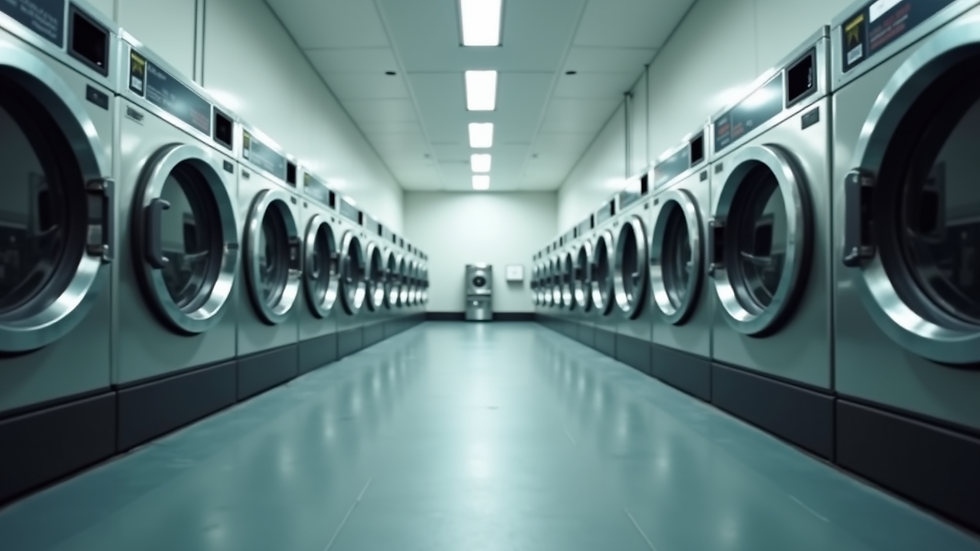
Self-service is a strong option when you want to choose your own settings, separate every load exactly as you prefer, and finish multiple loads at once. Larger commercial washers can handle comforters, family-sized towel loads, and several days of clothing without running repeated small cycles at home.
This option works well for renters, apartment dwellers, and anyone whose home washer is too small for bulky items. It can also make sense after travel, during a busy school week, or when a household gets behind on laundry. The key is to use the right cycle and avoid overloading the machine. Clothes need room to move through the water and detergent for a more complete clean.
A well-equipped laundromat makes the process easier with flexible payment choices. Being able to pay with cash, coin, card, or a mobile app means you do not have to plan your laundry day around finding quarters. It is a small detail, but it removes one more source of friction from an errand that already takes time.
Drop-Off Wash-Dry-Fold for Busy Weeks
Full-service drop-off laundry is often the best answer when the problem is not the washing - it is the time. You bring in your bag of laundry, and trained staff handle the washing, drying, and folding. This is especially helpful for working adults, families managing school and sports schedules, students, and anyone recovering from an illness, injury, or demanding stretch at work.
A 24-hour turnaround can turn a growing laundry pile into a quick stop on the way home. Instead of spending several hours sorting, moving loads, waiting for dryers, and folding at the kitchen table, you can pick up fresh, folded laundry ready for drawers and closets.
There is a trade-off. You give up some of the hands-on control you have with self-service. If certain garments require cold water, air drying, fragrance-free products, or special handling, communicate those needs clearly when you drop off the load. Keep dry-clean-only items, leather, and garments with unusual care instructions separate unless the service confirms it can handle them.
For regular clothing, towels, bedding, and household linens, wash-dry-fold can be a reliable way to maintain a cleaner home routine without losing a weekend to laundry.
Large and High-Use Household Items
Comforters, blankets, pet bedding, shower curtains, and oversized towels need more room than a typical apartment or home machine can provide. Trying to force them into a small washer can prevent detergent and water from reaching every part of the fabric. It can also put unnecessary strain on the machine.
Commercial-capacity equipment gives bulky items the space they need. For pet bedding or heavily soiled items, remove loose hair and debris before washing, and check care labels first. If an item has stains, mention them at drop-off or treat them according to its fabric instructions before starting a self-service cycle.
How to Choose Between Self-Service and Drop-Off
Think about what you need most on this particular laundry day. Self-service is usually the better fit when you have specialty items, prefer to oversee each load, or want to wash several large loads quickly. Drop-off service is usually the better fit when time is limited and standard household laundry has piled up.
You should also consider fabric needs. Baby clothes, sensitive-skin laundry, uniforms, and delicate garments may need specific instructions. A dependable service should make it easy to communicate preferences rather than treating every bag the same way.
Look at the facility itself, too. Clean folding areas, maintained machines, clear service information, and practical payment options all signal that the operation is designed around customer care. Hygiene is not one feature. It is the result of a process that includes clean equipment, reliable products, correct cycles, prompt drying, and orderly handling from start to finish.
Simple Habits That Keep Laundry Cleaner
Even the best machines work better when loads are prepared well. Empty pockets, close zippers, and sort lights, darks, and heavily soiled items before you arrive. Do not leave wet clothing in a hamper for days if you can avoid it, especially workout gear and towels. Washing them sooner reduces lingering odor and makes them easier to clean.
Use a dryer setting that fits the fabric instead of automatically choosing the hottest option. High heat can be useful for durable towels and some bedding, but it can wear down elastic, activewear, and delicate fibers. Dry items fully, then fold or hang them soon after the cycle ends to avoid wrinkles and dampness.
At Rivercity Spin, customers can handle laundry their way: use modern self-service machines when they want control or choose drop-off wash-dry-fold when they need time back. With automated soap injection, ozone sanitization, and flexible payment methods, laundry day has never been faster or easier.
The right service should leave you with more than clean clothes. It should leave you with a little more room in your week for everything else.

Comments